
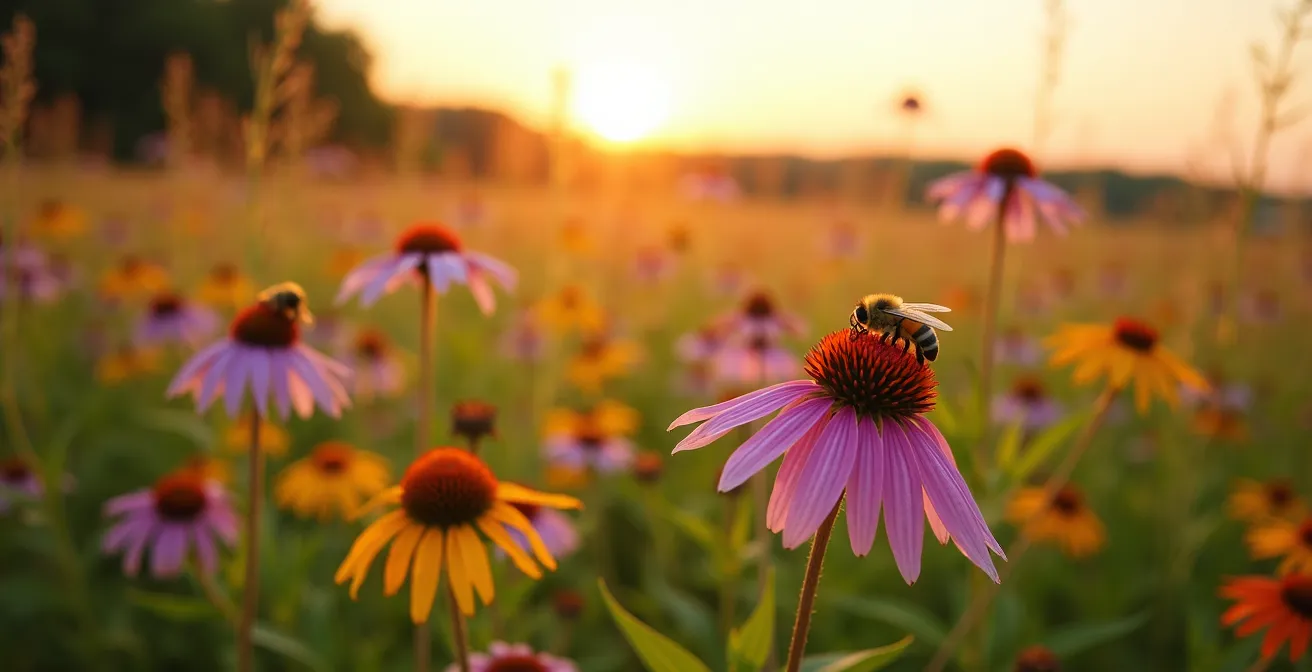
Contrary to popular belief, a garden full of flowers isn’t necessarily a garden full of life for native bees.
- Most non-native plants create an “ecological mismatch,” failing to provide the specific nutrition required by local specialist pollinators.
- A resilient garden is a complete ecosystem, relying on native plants for food, clean water, and nesting sites, not just aesthetics.
Recommendation: Shift focus from planting individual “bee-friendly” flowers to creating an integrated native habitat that supports the entire life cycle of local wildlife.
As a gardener, you’ve likely invested time and love into creating a vibrant space, selecting beautiful flowers with the noble intention of helping bees. You see them buzzing around your prize-winning roses or exotic butterfly bush and feel a sense of accomplishment. The common advice reinforces this: plant more flowers, provide a water source, avoid pesticides. But what if this conventional wisdom is dangerously incomplete? What if the very plants you chose for their beauty are creating an “ecological trap” for the most vulnerable pollinators in your area?
The inconvenient truth is that not all flowers are created equal. Many of the most popular, commercially available plants are non-native. While they may offer a quick sip of nectar to generalist honeybees, they are often nutritional deserts for the hundreds of native, specialist bee species that are the true workhorses of our local ecosystems. These bees have co-evolved over millennia with native flora, depending on specific plants for their survival. Planting non-natives is like opening a fast-food restaurant that serves only sugary snacks in a neighborhood that needs a grocery store with diverse, nutritious food.
This article moves beyond the platitudes. We will explore your garden not as a collection of pretty objects, but as a functional, interconnected system. We will uncover the profound difference between a garden that simply *attracts* bees and one that truly *sustains* them. By understanding the foundational role of soil, the hidden dangers of popular groundcovers, the power of water management, and the critical importance of native plant life cycles, you will learn how to transform your yard from a beautiful but sterile display into a resilient, self-sufficient, and genuinely life-giving habitat.
This guide provides a complete roadmap for shifting your mindset from a simple gardener to an ecosystem steward. Explore the sections below to understand each critical component of a truly bee-sustaining landscape.
Summary: Why Planting Non-Native Flowers Can Starve Local Bees in Your Area?
- How to Test Your Soil pH at Home Without a Lab Kit?
- The “Pretty” Groundcover That Will Destroy Your Foundation in 5 Years
- Rain Gardens: How to Filter Runoff Water Before It Hits the Sewer?
- Grass vs. Clover: Which Lawn Alternative Captures More Carbon?
- When to Divide Perennials: The Spring vs. Fall Rule for Longevity
- Asphalt Shingles: Is Runoff Water Safe for Edible Vegetables?
- FSC-Certified vs. Reclaimed: Which Wood Is Actually More Eco-Friendly?
- How to Create a Lush Garden That Survives a 3-Week Heat Wave Without Water?
How to Test Your Soil pH at Home Without a Lab Kit?
A thriving native ecosystem begins not with a flower, but with the soil beneath your feet. Soil pH is the master variable that governs which nutrients are available to plants. Native plants are adapted to your region’s specific soil chemistry, and if the pH is wrong, they cannot absorb the nutrients they need to produce high-quality nectar and pollen. An imbalanced pH forces plants to struggle, making them more susceptible to disease and less valuable to pollinators. It’s the invisible foundation of your garden’s food web. Correcting a severe imbalance is a fundamental first step; studies have found that correcting pH imbalances can enhance crop yields by 15-20%, a principle that directly translates to the health and vitality of flowering plants.
While lab tests provide the most accurate readings, you can get a surprisingly effective baseline reading at home using common household items. This simple test tells you whether your soil is acidic, neutral, or alkaline, guiding your initial native plant choices. For instance, plants like blueberries thrive in acidic soil, while lilacs prefer alkaline conditions. Understanding your starting point prevents the costly mistake of planting natives that are mismatched with your soil’s fundamental chemistry.
It’s important to recognize that these home tests provide a general indication. Research from Utah State University highlights that methods requiring water dilution can artificially raise pH readings. For a truly resilient garden, especially when establishing a large area of native plants, consider your home test a preliminary screening and follow up with a professional lab test if results are ambiguous or if plants fail to thrive.
The “Pretty” Groundcover That Will Destroy Your Foundation in 5 Years
One of the most common ecological traps in suburban landscapes is the use of aggressive, non-native groundcovers. Plants like English Ivy (Hedera helix) or Periwinkle (Vinca minor) are marketed as fast-growing, low-maintenance solutions for covering bare ground. While they are effective at creating a green carpet, they establish a destructive monoculture. Their dense mats outcompete and eliminate native wildflowers, destroying essential food sources for specialist bees. Worse, their aggressive root systems are notorious for invading and damaging home foundations, retaining walls, and other structures over time, leading to thousands of dollars in repairs.
These plants create a “green desert.” They offer virtually no value to native wildlife. They are not larval hosts for local butterflies or moths, and their nectar is often inaccessible or nutritionally poor for native bees. By choosing them, you are actively replacing a potential hub of biodiversity with a sterile, and ultimately destructive, placeholder. The solution is to embrace native groundcovers that work with, not against, your local ecosystem and your home’s infrastructure.
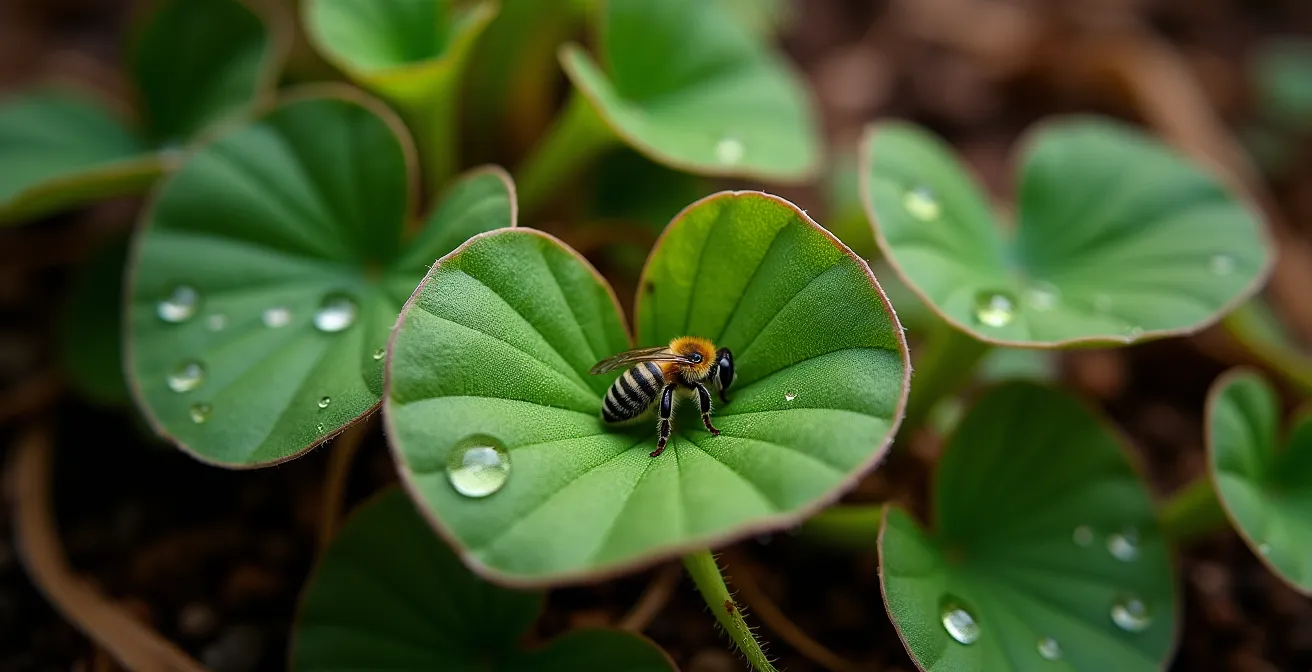
As you can see, native alternatives like Wild Ginger (Asarum canadense) or Foamflower (Tiarella cordifolia) offer lush, beautiful textures without the structural risk. They provide critical habitat and food, forming the living “mulch” layer of a healthy garden ecosystem. They support specialist ground-nesting bees, serve as larval hosts, and suppress weeds naturally, all while protecting your foundation with their non-invasive root systems.
| Characteristic | English Ivy (Non-Native) | Wild Ginger (Native) | Foamflower (Native) |
|---|---|---|---|
| Foundation Risk | High – aggressive roots damage structures | None – shallow root system | None – fibrous roots |
| Pollinator Value | Zero for native bees | Supports specialist ground bees | Early spring nectar source |
| Larval Host Status | None for native species | Host for pipevine swallowtail | Supports native moths |
| Water Needs | Moderate to high | Low once established | Moderate, drought tolerant |
| Weed Suppression | Creates monoculture | Natural mulch effect | Dense growth suppresses weeds |
Rain Gardens: How to Filter Runoff Water Before It Hits the Sewer?
A truly sustainable garden manages all its resources, especially water. In conventional landscapes, rainwater that falls on roofs and driveways rushes into storm sewers, carrying pollutants like oil, pesticides, and heavy metals directly into our waterways. A rain garden is a powerful, systems-based solution. It’s a shallow depression planted with deep-rooted native perennials and grasses designed to intercept, hold, and filter this runoff. It’s not a pond; a properly designed rain garden drains within 24-48 hours, preventing mosquito breeding while allowing water to slowly percolate into the ground, recharging local aquifers.
The magic of a rain garden lies in its use of native plants. The deep, fibrous root systems of native grasses and sedges, like Switchgrass or River Oats, are exceptional at stabilizing soil and creating channels for water infiltration. Research shows that the biological activity in these gardens makes them highly efficient; one 2024 study found that summer infiltration rates in rain gardens are almost 2x faster than in other seasons, thanks to the thriving plant and microbial life. These plants don’t just drink the water; they actively clean it, a process known as phytoremediation.
Designing a rain garden involves strategic plant placement in three zones, creating a micro-habitat that maximizes both function and pollinator value:
- Zone 1 (Wettest Center): Use moisture-loving plants like Joe Pye Weed and Blue Flag Iris, whose hollow stems can later provide nesting sites for bees.
- Zone 2 (Slopes): Plant species with dense roots to prevent erosion and filter sediments.
- Zone 3 (Driest Edge): Place early-blooming, drought-tolerant plants like Golden Alexanders to provide critical forage for emerging queen bees in spring.
This approach transforms a waste product (stormwater runoff) into a life-giving resource, creating a resilient, beautiful feature that supports pollinators even during dry spells by banking water in the soil.
Grass vs. Clover: Which Lawn Alternative Captures More Carbon?
The traditional turfgrass lawn is an ecological wasteland. It requires immense inputs of water, fertilizer, and fossil fuels for mowing, while offering zero food or habitat for pollinators. In recent years, clover lawns have been promoted as a “bee-friendly” alternative. While non-native clover does provide nectar for generalist honeybees and bumblebees, it perpetuates the same monoculture thinking. It still fails to support the vast majority of native specialist bees that are most in need of our help. The debate shouldn’t be between grass and clover; it should be about moving beyond monocultures entirely.
The most ecologically impactful and carbon-sequestering alternative is a “Native Matrix Lawn.” This approach involves replacing turfgrass with a mix of low-growing native grasses (like Buffalograss) and flowering native perennials (like Self-heal or Lanceleaf Coreopsis). These matrix lawns create a rich, diverse tapestry of life. Their deep root systems sequester more carbon, drastically reduce water needs, and require little to no mowing. Most importantly, they provide the specific food and habitat that support a wide array of specialist pollinators. This is confirmed by authoritative research; as the Xerces Society notes in its guidelines, “Native plants support significantly more species of pollinators than introduced species.”
Groundbreaking research confirms the superiority of this native-focused approach. A 2024 study using HoneyDNA from the Best Bees Company found a direct link between bee colony survival and their access to native plants. The study showed that their “Native Matrix Lawn” model supports a far greater diversity of bees compared to non-native clover, which primarily benefits a few generalist species. This proves that biodiversity above ground is directly tied to the diversity of plants you choose.
Your Garden’s Ecological Health Check: A 5-Step Audit
- Points of contact: List all flowering plants and potential nesting sites (bare ground, dead wood, hollow stems) in your garden. These are the “touchpoints” for bees.
- Collecte: Inventory which of these plants are native to your specific region versus non-native or exotic. Create two columns to see the ratio clearly.
- Cohérence: Compare your plant list to local native bee guides (from sources like the Xerces Society). Do your plants support known specialist pollinators in your area?
- Mémorabilité/émotion: Identify the “ecological traps”—the beautiful non-natives that offer little to no pollen or nectar value. Contrast them with the unique native plants that could replace them.
- Plan d’intégration: Create a phased plan to replace one or two non-natives with high-value native alternatives each season and add one new nesting habitat feature.
When to Divide Perennials: The Spring vs. Fall Rule for Longevity
For decades, traditional gardening wisdom has instructed us to “clean up” the garden in the fall: cut back all perennials and divide overgrown clumps to keep things tidy. From an ecological perspective, this is one of the most destructive things you can do. The hollow stems of perennials like coneflowers, bee balm, and Joe Pye Weed are the primary overwintering sites for numerous species of native bees. Female bees lay their eggs inside these stems, where the larvae develop over the winter and emerge in the spring. Cutting these stems in the fall is like demolishing an entire apartment complex just before winter.
The ecological approach requires a fundamental shift in mindset: a messy winter garden is a living garden. The rule is simple: never cut back perennials in the fall. Instead, leave the stems standing at least 12-24 inches tall through the winter and into the following spring. You will see new growth emerge from the base, and you may even witness native bees emerging from the old stems. This practice also provides shelter for other beneficial insects and seeds for wintering birds.
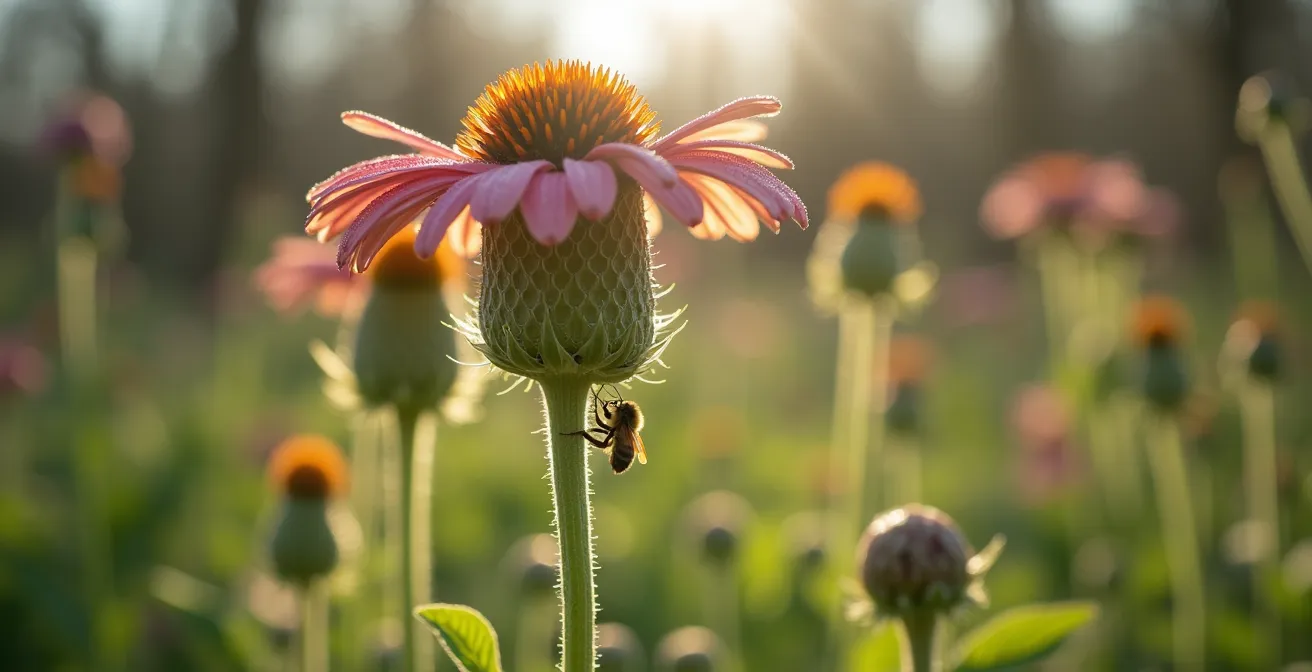
Division, if necessary, should only be done in the spring. This protects any overwintering life. However, an even better approach is to let native perennials “naturalize” and form large drifts, mimicking how they grow in the wild. A large, dense patch of a single native species is a far more powerful beacon for specialist pollinators than a dozen different plants dotted around the garden. When you do divide plants in the spring, you can use the divisions to create “pollinator pathways,” sharing them with neighbors to build a connected habitat corridor throughout your community.
Asphalt Shingles: Is Runoff Water Safe for Edible Vegetables?
As we become more conscious of water conservation, many gardeners turn to rain barrels to capture runoff from their roofs. However, not all roof materials are created equal. Asphalt shingles, the most common roofing material in North America, can leach harmful chemicals into the water they shed. These include heavy metals and, most concerningly, Polycyclic Aromatic Hydrocarbons (PAHs), which are known carcinogens. While the concentration levels may vary, using this water directly on edible vegetables, especially leafy greens, poses a potential health risk as plants can absorb these contaminants.
This contaminated runoff also presents a hidden danger to pollinators. If used to water flowering plants, the systemic uptake of these chemicals can make the nectar and pollen toxic. This turns a well-intentioned act of watering into a potential poisoning event for sensitive native bees and other insects. Therefore, a strict rule of thumb is to avoid using water collected from asphalt shingle roofs on any edible plants or primary pollinator gardens. This water is better suited for ornamental trees, shrubs, or the lawn, where the risk of contaminants entering the food web is significantly lower.
But what if your only option is to manage this runoff? Landscape ecology offers a brilliant solution: a “sacrificial biofilter.” As demonstrated in New England landscape studies, you can direct downspouts into a dedicated buffer strip of hardy, phytoremediating native plants. Certain native sedges and rushes are incredibly effective at trapping and breaking down these pollutants. This biofilter strip acts as a natural purification system, cleaning the water before it can overflow into your main garden beds. This is a prime example of using a landscape-as-a-system approach to solve a complex problem, protecting both your family and your local pollinators.
FSC-Certified vs. Reclaimed: Which Wood Is Actually More Eco-Friendly?
When building raised beds, trellises, or garden benches, the choice of wood has significant ecological implications. The debate often centers on FSC-certified wood (harvested from sustainably managed forests) versus reclaimed wood. While both are vast improvements over conventional lumber, the most eco-friendly option for a pollinator garden is often overlooked: creating habitat with “deadwood.” Roughly 30% of native bee species are cavity-nesters, meaning they make their homes in rotting wood or hollow stems. By intentionally incorporating untreated logs and branches into your garden design, you are providing this absolutely critical, and often missing, nesting resource.
Rather than buying new wood, consider sourcing logs from a local arborist. Hardwoods like oak or maple are ideal. You can create an instant bee hotel by drilling holes of varying diameters (4-10mm) and depths (4-6 inches) into the logs. Position them in a partially shaded spot to prevent the wood from cracking in the sun. Leaving the bark on provides additional shelter for other beneficial insects. This “deadwood pile” or “log stump” quickly becomes a bustling hub of activity, supporting not just bees but also beetles, fungi, and other decomposers that enrich your garden’s soil.
This approach also provides resources for other types of bees. For instance, according to research from Oregon State University Extension, leafcutter bees will use pieces of flowers and leaves as nesting material, often utilizing the nooks and crannies provided by deadwood. A simple pile of branches and twigs at the base of a log can provide shelter for ground-dwelling species as well. Choosing to create deadwood habitat instead of building a new structure is the ultimate expression of eco-friendly gardening: it reduces consumption, sequesters carbon as the wood slowly decomposes, and provides a vital missing link in the suburban ecosystem.
Key takeaways
- Specialist native bees require native plants; popular non-native flowers are often “ecological traps” that fail to provide proper nutrition.
- A thriving garden is a complete ecosystem where soil health, water management, and plant selection work in synergy to support the entire life cycle of pollinators.
- Small, counter-intuitive actions—like leaving perennial stems standing in winter and creating deadwood piles—provide critical nesting habitats that are often missing in tidy suburban landscapes.
How to Create a Lush Garden That Survives a 3-Week Heat Wave Without Water?
The ultimate test of a resilient garden is its ability to withstand climate extremes like prolonged heat and drought. A garden reliant on non-native plants is a fragile one, requiring constant inputs of water to survive. A garden built on a foundation of native plants, however, is a self-sufficient system designed for survival. Native plants have spent thousands of years adapting to your region’s specific climate, developing extraordinary mechanisms to thrive with minimal water. This is why studies have shown that native plants are over 4 times more attractive to native bees than non-native cultivars—they are a reliable food source, even when conditions are tough.
Research on drought-resistant native plants reveals their incredible survival strategies, which ensure they continue producing nectar when other plants shut down. These mechanisms include:
- Deep Taproots: Plants like Baptisia (Wild Indigo) send taproots more than three feet deep, accessing groundwater reserves far below the surface.
- Reflective Leaves: The silver, hairy leaves of plants like Prairie Sage (Artemisia ludoviciana) can reduce water loss through evapotranspiration by up to 40% by reflecting sunlight.
- Waxy Cuticles: The waxy coating on the leaves of Penstemon species acts like a waterproof seal, preventing moisture from escaping while allowing the plant to continue flowering.
By selecting a diverse array of native plants with these different drought-tolerant traits, you create a multi-layered, resilient landscape that ensures there is always something blooming for pollinators, even in the driest weeks of summer.
Begin today by auditing your garden and committing to replacing just one non-native plant with a high-value native alternative. You’re not just planting a flower; you’re rebuilding an ecosystem, one native plant at a time.