
Health and fitness extend far beyond gym memberships and calorie counting. True wellness emerges from the intricate interplay between your physical environment, nutritional choices, mental state, and daily habits. The spaces you inhabit, the food you consume, and even how you interact with technology all shape your wellbeing in profound yet often overlooked ways. Understanding these connections empowers you to make informed decisions that support your body and mind holistically.
This comprehensive exploration connects the essential pillars of modern wellness—from the ergonomics of your furniture to the quality of air you breathe, from macronutrient balance to navigating telemedicine. Whether you’re experiencing unexplained fatigue, seeking to reduce stress, or simply wanting to optimize your daily health, the following insights will help you identify which aspects of your lifestyle deserve attention and how small, intentional changes can yield significant improvements in how you feel every day.
The spaces where you spend most of your time—your home, workspace, and outdoor areas—exert constant influence on your physical health and psychological state. Far from being merely aesthetic choices, your environmental design decisions directly impact everything from postural alignment to stress hormone levels.
Poor furniture choices create a cascade of physiological consequences that many people attribute to aging or genetics when the true culprit sits in plain sight. Chairs lacking proper lumbar support force your spine into unnatural curves, compressing intervertebral discs and straining the muscles that work overtime to compensate. Over months and years, this leads to chronic pain, reduced mobility, and even nerve compression.
The debate between traditional ergonomic chairs and active sitting solutions reflects a fundamental question: should furniture support you or challenge you? Ergonomic chairs provide structured support, adjustable features, and pressure distribution designed to maintain neutral spine alignment during prolonged sitting. Active sitting solutions—including balance ball chairs, wobble stools, and standing desk converters—encourage micro-movements and core engagement. Research suggests the ideal approach combines both: structured support for focused work requiring stillness, and active options for tasks allowing movement.
Beyond seating, consider how desk height affects shoulder tension, monitor placement influences neck strain, and keyboard position impacts wrist health. Even seemingly minor adjustments—raising your screen to eye level, positioning your keyboard so your elbows rest at 90 degrees—can eliminate daily discomfort that accumulates into chronic conditions.
The air you breathe indoors is often two to five times more polluted than outdoor air, laden with dust, volatile organic compounds from furniture and cleaning products, and biological contaminants. This invisible burden taxes your respiratory system and immune function while contributing to brain fog, headaches, and fatigue. Effective dust reduction through HEPA filtration, regular ventilation, and minimizing fabric surfaces that trap particles creates an immediate improvement in cognitive performance and energy levels.
Color psychology demonstrates measurable effects on mood and productivity. Cool blues and greens activate the parasympathetic nervous system, promoting calm and focus—ideal for bedrooms and meditation spaces. Warm oranges and yellows stimulate conversation and appetite, making them suitable for dining areas. Neutral tones provide visual rest, particularly valuable in busy households where visual noise—the cluttered, chaotic accumulation of objects, patterns, and stimuli—creates mental fatigue even when you’re physically resting.
Biophilic design, which intentionally incorporates natural elements into built environments, offers quantifiable stress reduction. Studies show that views of nature, indoor plants, natural materials like wood and stone, and even water features lower cortisol levels and blood pressure while improving concentration. The mechanism appears rooted in evolutionary psychology: our brains developed in natural settings and remain wired to find them restorative. A simple indoor fountain provides white noise that masks disruptive sounds while adding negative ions to the air, and the presence of living plants improves air quality while offering something alive to care for—a subtle but meaningful psychological anchor.
Outdoor environments offer unique wellness opportunities that indoor spaces cannot replicate, from exposure to natural light that regulates circadian rhythms to the psychological benefits of connecting with living ecosystems. Designing your outdoor areas with intention transforms them from underutilized yards into active contributors to mental health recovery.
A meditation corner requires surprisingly little: a level surface, some weather protection, and sensory elements that anchor you to the present moment. The essentials include comfortable seating that supports an upright spine without requiring muscular effort, a visual focal point like a plant or simple water feature, and boundaries—whether physical screens or strategic plantings—that create a sense of enclosure and privacy.
Hammock ergonomics often gets overlooked in the pursuit of relaxation. A properly hung hammock supports your body in a gentle curve rather than a sharp V, requiring the correct angle of approximately 30 degrees from anchor points. This distributes weight evenly across your back and eliminates pressure points. Laying diagonally across a hammock rather than inline provides the flattest, most ergonomic position for extended rest.
Aromatic stress relief through intentional plant selection adds another sensory dimension. Lavender, jasmine, and rosemary release compounds that demonstrably affect neurotransmitter activity, promoting relaxation without sedation. Unlike synthetic fragrances, which can trigger sensitivities, plant-based aromas provide therapeutic benefits while supporting local pollinators and biodiversity.
Trip hazard prevention matters particularly in outdoor spaces where uneven surfaces, changing light conditions, and weather exposure create risks. Level transitions between different areas, adequate lighting for evening use, and clearly defined pathways prevent injuries that disrupt wellness routines and create anxiety about using outdoor spaces.
Outdoor food hygiene deserves attention if you’re incorporating edible gardens or outdoor dining into your wellness practices. Understanding which surfaces harbor bacteria, how temperature affects food safety, and proper washing techniques for homegrown produce ensures that your healthy choices don’t inadvertently introduce contamination risks.
Nutrition advice often swings between overly simplistic rules and overwhelming complexity. The middle path focuses on understanding core principles that empower you to make informed choices regardless of dietary trends or marketing claims.
Macronutrient balance—the ratio of proteins, carbohydrates, and fats in your diet—profoundly affects energy levels, satiety, and metabolic health. Rather than prescribing universal ratios, recognize that individual needs vary based on activity level, metabolic health, and even genetics. Proteins provide amino acids for tissue repair and immune function. Carbohydrates fuel high-intensity activity and brain function. Fats support hormone production, nutrient absorption, and cellular health.
The practical application involves observing how different balances affect your energy and hunger patterns. If you experience energy crashes mid-morning, your breakfast may lack adequate protein and fat to sustain blood sugar. If you feel sluggish during workouts, insufficient carbohydrates may be limiting performance. This personalized approach proves more sustainable than following rigid dietary prescriptions.
Hidden sugar identification requires detective work, as food manufacturers employ dozens of alternative names—from “evaporated cane juice” to “brown rice syrup”—that obscure total sugar content. Products marketed as healthy often contain shocking amounts of added sugars: flavored yogurts frequently pack more sugar than ice cream, granola bars rival candy bars, and “natural” beverages can deliver a day’s worth of sugar in a single serving.
Reading ingredient lists rather than marketing claims becomes essential. Ingredients appear in descending order by weight, so if any sugar variant appears in the first three ingredients, that product is primarily a sugar delivery system regardless of health claims on the packaging.
Hydration strategies extend beyond the oversimplified “eight glasses daily” advice. Your needs fluctuate based on climate, activity, diet composition, and individual variation. Urine color provides reliable feedback: pale yellow indicates adequate hydration, while dark amber signals deficiency. Thirst mechanisms become less sensitive with age, making proactive hydration increasingly important. Electrolyte balance matters during extended exercise or hot weather, when water alone may dilute sodium levels and impair cellular function.
Technology has fundamentally transformed healthcare access and personal health monitoring, creating unprecedented opportunities alongside new challenges that require navigation skills our parents never needed.
Digital eye strain affects the majority of people who spend multiple hours daily viewing screens. The condition stems from several factors: reduced blink rates when focusing on screens, blue light exposure that disrupts circadian rhythms, and the sustained near-focus that fatigues the ciliary muscles controlling lens shape. The 20-20-20 rule provides relief: every 20 minutes, look at something 20 feet away for 20 seconds, allowing those muscles to relax.
Screen positioning matters enormously. Monitors should sit at arm’s length, with the top of the screen at or slightly below eye level, preventing the neck flexion that contributes to both eye strain and cervical spine stress. Adequate ambient lighting reduces the contrast between bright screens and dark surroundings that forces pupils to constantly adjust.
Navigating remote healthcare requires understanding both its capabilities and limitations for efficient triage. Telemedicine excels at follow-up appointments, medication management, minor acute issues, and mental health support. It struggles with conditions requiring physical examination, diagnostic testing, or hands-on procedures. Knowing which category your concern falls into helps you choose the appropriate care modality.
Preparation for appointments—whether virtual or in-person—dramatically improves outcomes. Documenting symptoms with specifics about onset, duration, severity, and patterns provides clinicians with actionable information. Listing current medications, including supplements and over-the-counter drugs, prevents dangerous interactions. Preparing questions ensures you address all concerns before the appointment ends.
Managing health data anxiety has emerged as a significant challenge as wearables and health apps generate constant streams of metrics. The psychology of tracking reveals a paradox: monitoring can improve awareness and motivation, but obsessive tracking can increase anxiety and reduce quality of life. The key lies in understanding which metrics provide actionable insights for your specific goals versus which create noise without value. Heart rate variability might inform training decisions for athletes but generate needless worry for those without cardiovascular concerns.
Personal health and planetary health increasingly appear interconnected, with many wellness choices offering dual benefits. Plastic-free bathroom swaps eliminate exposure to endocrine-disrupting chemicals found in conventional products while reducing environmental burden. Solid shampoo bars, bamboo toothbrushes, and refillable containers prove that sustainable options need not sacrifice efficacy.
Bike safety in cities represents the intersection of active transportation, environmental consciousness, and injury prevention. Cycling provides low-impact cardiovascular exercise, reduces carbon emissions, and often proves faster than driving for urban trips. However, infrastructure gaps and traffic dangers create legitimate safety concerns. Visibility measures—lights, reflective gear, and bright clothing—reduce accident risk significantly. Understanding traffic patterns, claiming your lane space, and making eye contact with drivers transform cycling from a frightening prospect into an empowering daily practice.
Health and fitness ultimately represent an ongoing practice rather than a destination—a series of informed choices about your environment, nutrition, movement, and healthcare that compound over time into either vitality or decline. By understanding how physical spaces shape your body, how nutrients fuel your systems, and how to navigate modern healthcare tools, you gain agency over your wellbeing. Start with the areas causing you the most difficulty, implement changes systematically, and observe how small adjustments in one domain often create unexpected improvements in others. Your body and mind are remarkably responsive when given the conditions they need to thrive.
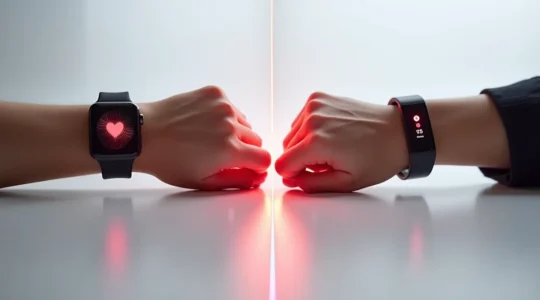
Choosing between an Apple Watch and a Fitbit based on heart rate accuracy alone is asking the wrong question. True accuracy is contextual, fluctuating with activity type, sensor age, and even how you wear the device. The psychological impact of…
Read more
The critical choice isn’t between telehealth and urgent care; it’s about making a safe, informed triage decision to avoid a misdiagnosis or a costly second visit. Effective telehealth starts with gathering your own reliable “actionable data” like vitals and clear…
Read more
Contrary to popular belief, a truly healing sensory garden isn’t just a collection of nice-smelling plants; it’s a purposefully designed environment that actively regulates your nervous system. Specific sensory inputs like morning light, deep pressure, and certain sounds are targeted…
Read more
The key to a stress-reducing office isn’t just adding wood, but orchestrating how it interacts with your environment’s light, sound, and air. Raw wood is an active material that buffers humidity, diffuses light, and absorbs sound frequencies, going far beyond…
Read more
The stress from clutter doesn’t come from what you see, but from the invisible cognitive load of unresolved decisions your hidden storage represents. Even unseen, disorganized items create ‘mental open loops’ that constantly drain your energy. Effective organization focuses on…
Read more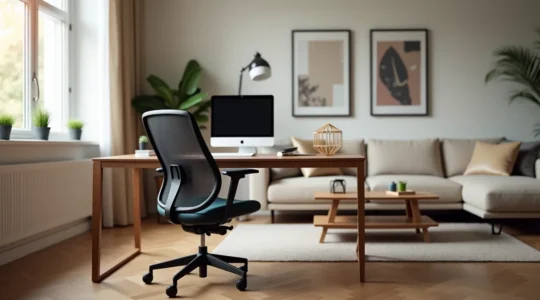
Creating a healthy workspace at home isn’t about hiding ugly office furniture; it’s about making ergonomic principles the invisible foundation of your living room’s style. Your sofa’s design is likely the primary source of back pain due to a lack…
Read more