
The boundary between indoor and outdoor living has never been more fluid. Today’s approach to garden and decor recognizes that your home’s interior and the landscape surrounding it form a single, integrated ecosystem of comfort and beauty. Whether you’re arranging furniture to improve circulation or selecting perennials for winter interest, the principles guiding your decisions share common threads: functionality, aesthetics, and sustainability.
This comprehensive resource explores the fundamental concepts that transform both interior spaces and outdoor environments. From understanding how light shapes ambiance to mastering soil composition, these interconnected topics equip you with the knowledge to make confident design decisions. The goal isn’t perfection—it’s creating spaces that genuinely serve your lifestyle while expressing your personal aesthetic.
Successful interior design begins with understanding how elements interact within a defined space. Think of your room as a stage where every piece plays a supporting role in the overall performance.
Scale refers to how objects relate to the space they occupy, while proportion addresses how elements relate to each other. A common mistake is selecting furniture that’s either too large, making a room feel cramped, or too small, creating a disconnected, floating appearance. The visual weight of textures also impacts balance—a chunky knit throw carries more visual presence than smooth silk, even if they’re the same size.
To assess proportion effectively, consider the ceiling height, wall length, and traffic flow simultaneously. A sofa that works beautifully in an open loft might overwhelm a cozy cottage room. Layering different textures creates depth: pair rough-hewn wood with polished metal, or matte ceramics with glossy tiles.
Physical circulation determines how comfortably you move through space. Before arranging furniture, identify the room’s natural pathways—routes between doorways, toward windows, or to focal points like fireplaces. Maintain at least 30-36 inches for primary walkways and 18-24 inches for secondary passages.
For odd-shaped rooms or open-plan areas, modular sofas offer exceptional flexibility. These configurable pieces can wrap around corners, define zones without walls, or adapt as your needs change. Position seating to encourage conversation by arranging pieces in a loose U-shape rather than against walls, which often creates a waiting-room atmosphere.
Mixing furniture from different periods creates character and prevents the sterile showroom effect. The key is identifying the difference between timeless elements and passing fads. Classic pieces—a mid-century modern chair, a farmhouse table, an Art Deco mirror—share enduring design principles: honest materials, beautiful proportions, and functional form.
When curating a mixed-era look, establish a unifying thread. This might be a consistent wood tone, a repeated metal finish (brass, matte black, brushed nickel), or a cohesive color palette. Contemporary design particularly welcomes this approach, as it creates spaces with depth and narrative rather than catalog uniformity.
Lighting shapes mood, defines functionality, and dramatically affects how colors and textures appear. Understanding both natural and artificial light sources transforms ordinary spaces into dynamic environments.
Daylight constantly changes throughout the day and across seasons. North-facing windows provide consistent, cool light ideal for workspaces, while south-facing exposure delivers warm, direct sunlight perfect for living areas and plant growth. Position mirrors opposite or adjacent to windows to bounce light deeper into rooms, effectively doubling your natural illumination.
Window treatments should balance privacy with daylight optimization. Sheer curtains filter harsh rays while maintaining brightness, whereas adjustable blinds offer precise control. For basements or interior rooms, consider light tubes or strategically placed reflective surfaces to maximize available light.
Layer three lighting types for full functionality: ambient (general illumination), task (focused work light), and accent (highlighting specific features). The color temperature measured in Kelvin dramatically affects ambiance—warm light (2700-3000K) creates cozy, intimate settings, while cool light (4000-5000K) promotes alertness and clarity.
Artistic highlighting techniques draw attention to architectural features, artwork, or plants. Use narrow-beam spotlights for drama, or install picture lights for subtle emphasis. Dimmer switches prove invaluable, allowing a single room to transition from energizing breakfast space to relaxing evening retreat.
Exterior lighting extends usable hours while enhancing security and aesthetics. Solar-powered fixtures offer sustainable solutions, though performance depends heavily on panel positioning strategies. Place solar panels where they’ll receive at least six hours of direct sunlight, typically south-facing positions in the Northern Hemisphere, angled toward the sun’s path.
For outdoor dining areas, prioritize eating visibility without creating glare—path lights at 18-24 inches high, complemented by overhead string lights or lanterns, provide balanced illumination. Weatherproofing ratings (IP65 or higher) ensure durability through rain, snow, and temperature fluctuations.
Successful gardening starts beneath the surface. Healthy soil determines whether plants merely survive or truly thrive, making soil knowledge your most valuable gardening skill.
Soil health regeneration focuses on creating living, biologically active earth. Healthy soil resembles chocolate cake in texture—crumbly, rich, and slightly moist. It contains balanced proportions of sand (drainage), silt (nutrients), and clay (moisture retention), plus organic matter that feeds beneficial microorganisms.
Test your soil’s drainage by digging a 12-inch hole, filling it with water, and observing. Water disappearing within 4-6 hours indicates good drainage; slower drainage requires amendment with coarse sand, perlite, or compost. Clay-heavy soils benefit from organic matter, while sandy soils need compost to improve moisture retention. Annual compost additions (2-3 inches) continuously improve soil structure.
Understanding plant needs prevents frustration and wasted investment. Many gardeners confuse succulents and cacti—while all cacti are succulents, not all succulents are cacti. Cacti specifically belong to the Cactaceae family and typically require very minimal water, whereas succulents like sedums tolerate more moisture and diverse climates.
Match plants to existing conditions rather than fighting your environment. Drought-tolerant gardens aren’t automatically sparse or colorless—species like lavender, Russian sage, and ornamental grasses offer lush texture and vibrant blooms with minimal water. Slow-growth plant selection reduces maintenance and long-term pruning demands, with species like boxwood, hellebores, and dwarf conifers providing structure without constant intervention.
Seasonal interest requires intentional planning. Gardens shouldn’t peak in June then decline into monotony—thoughtful plant selection ensures visual appeal through all twelve months.
Botanical planning for year-round interest involves selecting plants with staggered bloom times, varied foliage colors, and structural presence. Spring bulbs transition to summer perennials, which give way to fall asters and sedums, culminating in winter interest plants like red-twig dogwood, ornamental grasses (left standing), and evergreen conifers. Perennial planting schedules vary by climate zone, but most benefit from fall planting, allowing root establishment before growth demands begin.
Bulb layering techniques maximize impact from limited space. Plant bulbs in three depth-based layers within a single container or bed: large bulbs like tulips at the bottom (8 inches deep), medium bulbs like daffodils in the middle (5-6 inches), and small bulbs like crocuses near the surface (3-4 inches). This creates a succession of blooms from early spring through late season.
Winter gardens deserve special consideration. Rather than retreating indoors entirely, embrace plants with architectural seedheads (coneflowers, alliums), colorful bark (coral-bark maple, birch), or persistent berries (holly, winterberry). Seasonal shutdown procedures for irrigation systems and water features prevent freeze damage, but the garden itself should remain a composed, deliberate composition even in dormancy.
Outdoor rooms extend your living area while connecting you to nature. These spaces require the same thoughtful design as interiors, with added consideration for weather exposure and seasonal use.
The material science and longevity of outdoor investments directly impacts value and maintenance burden. Consider these material categories:
Weatherproofing and durability ratings guide purchasing decisions. Look for UV-resistant fabrics (solution-dyed acrylic), rust-proof hardware (stainless steel), and warranty terms that reflect manufacturer confidence.
Outdoor dining combines practical concerns with aesthetic goals. Beyond lighting for eating visibility, consider pest control around food areas—citronella candles provide minimal protection, whereas screened enclosures, strategic fans (mosquitoes struggle in wind), and elimination of standing water prove more effective.
Pathway logic and flow applies outdoors as it does inside. Create clear routes between cooking areas, dining spaces, and garden zones. Define separate areas through level changes, plantings, or partial screens rather than solid walls, maintaining visual connection while establishing purpose. Aesthetic spacing between furniture pieces ensures comfortable movement—allow 36 inches between table edge and planter or wall.
Environmental stewardship and practical maintenance intersect in modern garden design. Sustainable approaches often reduce labor while supporting local ecosystems.
Weed suppression strategies begin with prevention. A 2-4 inch mulch layer blocks light that weed seeds need for germination, while dense plant spacing shades out opportunistic invaders. Landscape fabric works beneath gravel paths but can create problems in planting beds by preventing natural soil improvement. For established weeds, remove them before seed production—one season’s weeds create seven years of seeds.
Rainwater harvesting reduces municipal water demand while providing chlorine-free irrigation. Basic systems capture roof runoff in barrels positioned beneath downspouts. Rainwater harvesting safety requires mosquito-proof covers, secure child-proof lids, and overflow routing to prevent foundation issues. A standard roof collects approximately 600 gallons from one inch of rainfall per 1,000 square feet of surface.
Consider whether garden features serve you year-round or seasonally. Water features and irrigation systems need seasonal shutdown procedures in freezing climates—drain all lines, blow out residual water with compressed air, and winterize pumps according to manufacturer specifications to prevent crack damage from ice expansion.
Beyond foundational design, personal expression transforms generic spaces into genuine homes. The difference between decorated and designed lies in intentional curation rather than random accumulation.
Displaying handmade items—whether your own creations or artisan discoveries—adds irreplaceable character. Group similar objects in odd numbers (three or five) rather than pairs, varying heights for visual interest. Handmade ceramics, textiles, or woodwork introduce the subtle imperfections that signal human craft, contrasting beautifully with manufactured precision.
Ephemeral aesthetics and party styling embrace temporary beauty. Seasonal decorations, special event styling, and rotating displays keep spaces dynamic. The key is intention—choose decorations that genuinely reflect the occasion or season rather than obligatory displays. A simple arrangement of seasonal branches, a collection of pumpkins in varied sizes, or thoughtfully placed candles often creates more impact than elaborate purchased decorations.
For nighttime relaxation atmosphere, layer soft lighting at varying heights. Combine flameless candles (eliminating fire concerns), string lights wrapped around structural elements, and strategically placed solar pathway lights. Warm color temperatures (2200-2700K) promote relaxation and conversation, transforming outdoor spaces into intimate evening retreats.
The garden and decor journey is continuous rather than finite. As you develop understanding of these interconnected principles—from soil composition to furniture arrangement, from lighting strategy to seasonal planning—your confidence grows. Trust your evolving aesthetic instincts, remain willing to experiment, and remember that the most successful spaces balance beauty with genuine livability. Your home and garden should serve you, not the reverse.
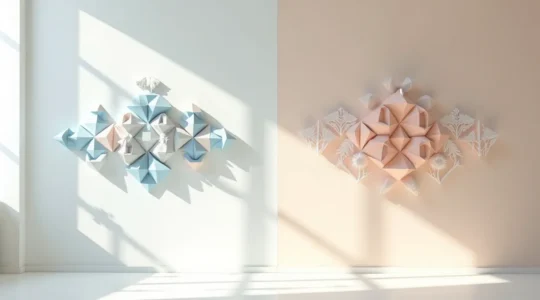
The choice between Origami and Kirigami for event decor isn’t aesthetic; it’s a strategic decision based on structural integrity and light interaction. Kirigami (cutting) excels in creating intricate, flat patterns best viewed with even, wall-washing light. Origami (folding) builds volumetric…
Read more
In summary: Your solar lights fail in winter due to an “energy budget” deficit: they use more power than they can collect in low-light conditions. The fix involves a system-level upgrade, not just one trick. Focus on improving energy collection…
Read more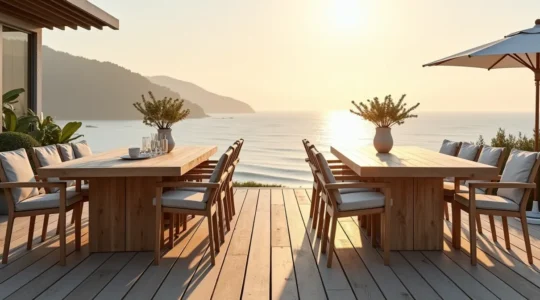
The choice between teak and aluminum in coastal areas isn’t about style; it’s about understanding specific material failure points to avoid costly repeat purchases. Aluminum’s primary weakness is its finish; powder coats inevitably blister in salt air, a failure mechanism…
Read more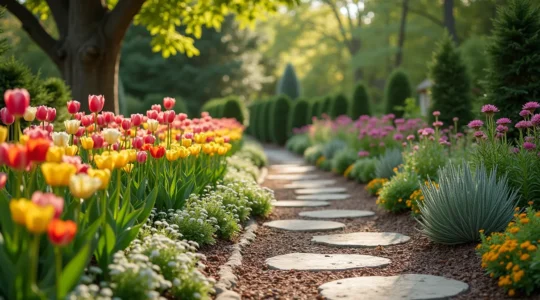
A garden that only shines for one season is a missed opportunity for year-round joy and beauty. The solution lies in “floral choreography”—strategically layering plants so one’s peak performance hands off seamlessly to the next. This involves combining permanent “structural…
Read more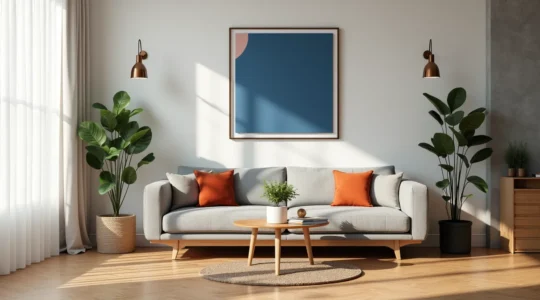
The secret to a sophisticated interior isn’t just balancing colors, but consciously engineering the sensory signals your environment sends. Mastering the mix of warm and cool tones involves managing how undertones react to light, not just following a rigid color…
Read more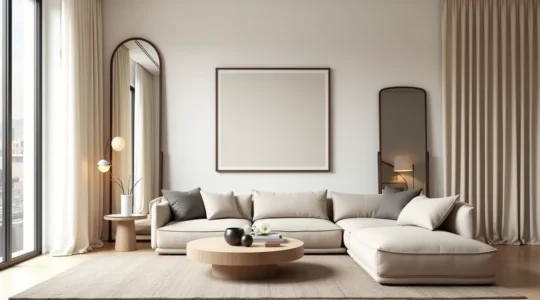
Contrary to popular belief, adding height isn’t about simple vertical stripes or generic white paint. The real magic lies in sculpting the room with implied vertical lines created through strategic lighting, architectural camouflage, and carefully curated objects that guide the…
Read more