
Creating a healthier relationship with food doesn’t require dramatic lifestyle changes or complicated diet plans. Instead, it starts with understanding the foundational elements that make healthy eating sustainable: a well-organized kitchen, informed nutritional choices, practical meal planning, and the confidence to explore different cooking environments. These interconnected aspects work together like the ingredients in a recipe, each one enhancing the others to create something greater than the sum of its parts.
Whether you’re taking your first steps toward healthier eating or looking to refine your existing habits, this comprehensive exploration covers the essential knowledge you need. From optimizing your kitchen space to understanding how food processing affects nutrients, from managing nutrition on a hectic schedule to expanding your culinary skills outdoors, you’ll discover practical insights that transform cooking from a daily chore into an empowering tool for better health.
Your kitchen environment profoundly influences your cooking habits. A thoughtfully organized space reduces friction, making healthy meal preparation feel effortless rather than overwhelming. Two often-overlooked elements—vertical organization and proper lighting—can dramatically transform how efficiently you work.
Most home cooks underutilize the vertical space in their kitchens, focusing exclusively on counter and drawer storage. Think of your kitchen like a library: books stacked only on the floor would create chaos, but shelves extending upward create accessible order. Vertical storage solutions multiply your usable space without requiring a larger kitchen. Wall-mounted magnetic knife strips keep blades visible and within reach, while hanging racks for pots and utensils free up valuable cabinet space for ingredients.
The strategic placement of healthy ingredients at eye level—rather than buried in back corners—makes nutritious choices the path of least resistance. Store whole grains, nuts, and seeds in clear, labeled containers on open shelving. Keep fresh produce in breathable baskets at counter height rather than hidden in crisper drawers where it’s easily forgotten. This visual accessibility means you’ll naturally reach for these ingredients more frequently, while less nutritious options can be stored in less convenient locations.
Proper lighting affects both safety and food quality assessment. Dim, yellowish lighting can make it difficult to judge whether vegetables are fresh, proteins are cooked properly, or herbs are vibrant. Task lighting positioned directly over preparation areas eliminates shadows and allows you to see true colors, which is essential for evaluating ingredient quality and doneness.
Consider the color temperature of your bulbs: cooler, daylight-spectrum lighting (around 5000K) provides the most accurate color rendering for food preparation, while warmer tones (2700K-3000K) create a more inviting atmosphere for dining areas. Under-cabinet LED strips offer energy-efficient, focused illumination for countertops, while pendant lights over islands provide both functional task lighting and aesthetic appeal. Quality lighting transforms cooking from a squinting, uncertain process into a clear, confident activity.
The nutrition landscape often feels confusing, with conflicting advice about what to eat and how to prepare it. Two questions arise repeatedly: whether frozen foods sacrifice nutritional value compared to fresh options, and how to incorporate more plant-based proteins without feeling deprived. Understanding the science behind these choices empowers you to make decisions based on facts rather than marketing claims.
The “fresh is always better” assumption doesn’t hold up under scientific scrutiny. Fresh produce begins losing nutrients the moment it’s harvested, with some vitamins degrading significantly during transportation and storage. A “fresh” spinach leaf that traveled across the country and sat in a grocery store for several days may contain fewer nutrients than spinach frozen within hours of harvest, when nutrient levels peak.
Flash-freezing technology locks in nutritional content remarkably well. Studies have shown that frozen vegetables often retain more vitamin C, B vitamins, and antioxidants than their fresh counterparts after typical storage periods. The key factors that determine nutritional value include:
This means your strategy should be flexible: purchase fresh produce for items you’ll consume within a few days, especially delicate herbs and greens. Choose frozen options for convenience items, backup ingredients, and produce you use less frequently. Both have legitimate places in a healthy kitchen, and the “best” choice depends on your specific circumstances rather than a universal rule.
Incorporating more plant-based proteins doesn’t require abandoning animal products entirely, but rather expanding your protein portfolio. Think of it like diversifying investments—variety reduces risk and often improves outcomes. Plant proteins like legumes, tofu, tempeh, and quinoa offer fiber, antioxidants, and phytonutrients that animal proteins lack, while typically containing less saturated fat.
The transition becomes easier when you focus on addition rather than subtraction. Instead of removing familiar foods, add plant-based options alongside them. Try these approachable strategies:
Many people discover that their concerns about satisfaction and fullness were unfounded once they learned proper preparation techniques. A well-seasoned, properly cooked bean burger can be just as satisfying as its beef counterpart, while offering entirely different nutritional benefits. The goal isn’t perfection, but rather gradual expansion of your cooking repertoire.
Even with perfect nutritional knowledge, healthy eating fails without practical implementation. The gap between knowing what to eat and actually eating it often comes down to planning systems that accommodate real-life constraints like limited time, unpredictable schedules, and varying environmental conditions.
Time scarcity is the most common barrier to healthy eating. When every minute counts, meal planning systems prevent the decision fatigue that leads to unhealthy convenience choices. The key is creating frameworks rather than rigid plans—flexible structures that adapt to changing circumstances.
Consider implementing a “template approach” where you define categories rather than specific meals. For example: Monday is grain bowl night, Tuesday features soup or stew, Wednesday is sheet pan dinner night. Within each template, you can vary ingredients based on what’s available, what’s on sale, or what you’re craving. This provides structure without the rigidity that makes plans collapse when life gets unpredictable.
Batch preparation of components—rather than complete meals—offers flexibility while saving time. Cook a large pot of quinoa, roast several types of vegetables, prepare a bean salad, and grill chicken breasts all at once. Throughout the week, these components can be combined in different ways: grain bowls, wraps, salads, or stir-fries. This approach prevents both food waste and boredom while requiring only one major cooking session per week.
Your body’s nutritional needs and preferences shift with temperature and season, yet many people maintain the same eating patterns year-round. During hot weather, heavy, slow-cooked meals feel oppressive, while your body naturally craves lighter, more hydrating options. Heat-appropriate menu planning emphasizes raw or minimally cooked foods, cold preparations, and recipes that don’t require prolonged oven use.
Summer menus benefit from focusing on salads with substantial proteins, chilled soups like gazpacho, fresh fruit-based desserts, and grilled items that keep heat outdoors. Winter naturally calls for warming stews, roasted root vegetables, and slow-cooked dishes that make your kitchen cozy. This seasonal alignment makes healthy eating feel intuitive rather than forced, because you’re working with your body’s natural preferences rather than against them.
Outdoor cooking represents an opportunity to expand your culinary skills while making healthy eating more social and enjoyable. Grilling, smoking, and campfire cooking aren’t just about burgers and hot dogs—these techniques can produce remarkably healthy meals when approached thoughtfully.
The high, direct heat of grilling creates the Maillard reaction—the chemical process that produces complex, savory flavors through browning. This means vegetables like zucchini, bell peppers, and eggplant develop deep, satisfying flavors without added fats. Grilled fruit like peaches, pineapple, or watermelon caramelize naturally, creating desserts that feel indulgent without added sugar.
Successful outdoor cooking and entertaining require different logistics than indoor meal preparation. Consider these essential elements:
When hosting outdoors, the focus shifts from elaborate plated presentations to shared, interactive eating experiences. Build your menu around items that hold well at room temperature, can be eaten with hands, and don’t require precise timing. Grilled vegetable platters, skewers with various proteins and vegetables, and grain-based salads allow guests to serve themselves while you manage the grill, creating a relaxed atmosphere where healthy food becomes the foundation for genuine connection.
Building sustainable healthy eating habits isn’t about perfection in any single area, but rather creating systems that support better choices across multiple dimensions. A well-organized kitchen reduces barriers to cooking, nutritional knowledge empowers confident decision-making, practical planning accommodates real-life constraints, and diverse cooking environments keep the process engaging. Start with whichever aspect resonates most strongly with your current situation, knowing that improvements in one area naturally support progress in others.
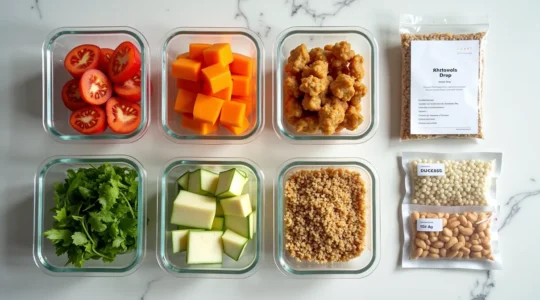
The true cost of feeding your family isn’t about time versus money; it’s a strategic calculation involving food waste, nutritional density, and the hidden economics of your kitchen. Meal prep’s primary financial advantage comes from “waste arbitrage”—dramatically cutting the 30%…
Read more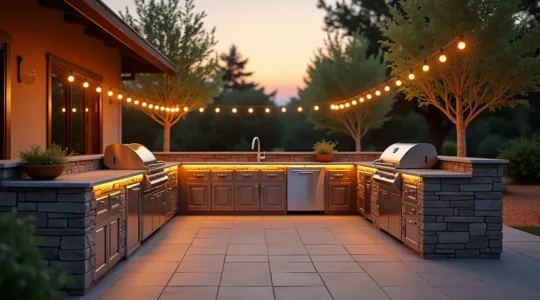
The most common outdoor kitchen planning mistake is focusing on appliances instead of logistics, turning the host into a frazzled server. Treat your outdoor kitchen as a chef would: a self-sufficient “satellite service station,” not just a place for a…
Read more